

SMART MOVES FOR SENIORS • OCTOBER 6, 2026
Aging In Place - Is It Right For You?
by Jennifer Joyce
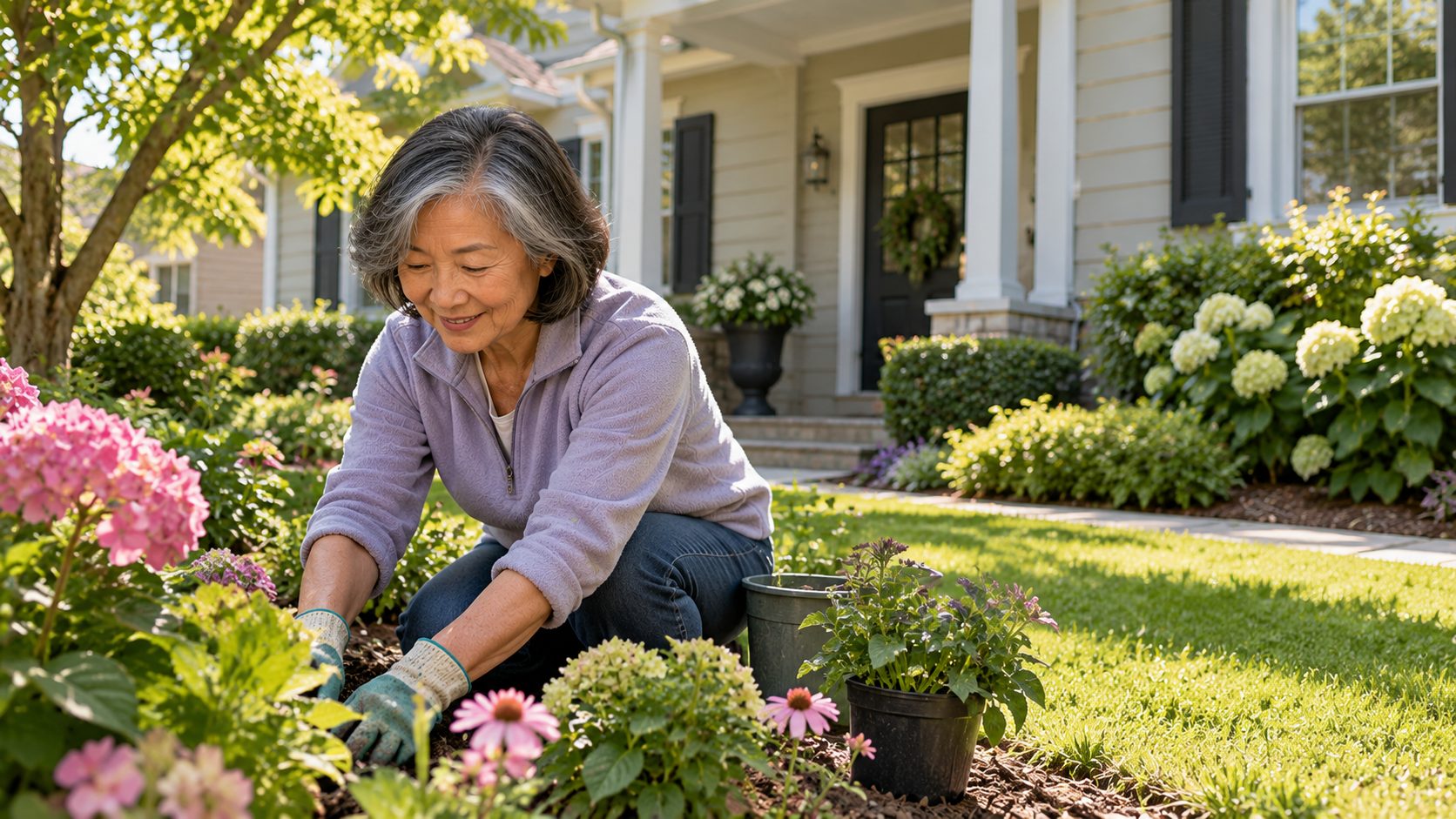
This article is part of Jennifer Joyce's Smart Moves for Seniors educational series, designed to help seniors and their families navigate important housing decisions with confidence.
For many people, the idea of growing older comes with one very strong preference: I want to stay in my own home.
And it's easy to understand why.
Home is more than four walls. It's where memories were made, where neighbors became friends, and where familiar surroundings and routines can provide a sense of comfort, independence and security.
In my last Smart Moves for Seniors article, I discussed the many housing options available as we age. But for many older adults, the preferred option isn't moving at all. It's remaining right where they are.
A 2026 Pew Research Center survey found that 93% of Americans age 65 and older currently live in their own home or apartment. Among older adults living at home without a caregiver, 60% said that if they could no longer live independently, they would want to remain in their home and have someone care for them there.
But wanting to remain at home and being able to do so safely, comfortably and affordably over the long term aren't always the same thing.
Aging in place can be a wonderful choice—but it works best when it is a plan, rather than simply the absence of a plan to move.
What Does It Really Mean to Age in Place?
Aging in place generally means remaining in your own home as you grow older, even as your needs change. But it doesn't necessarily mean living completely independently or doing everything yourself.
Over time, aging in place may involve getting help with household chores, transportation, meals, personal care or home maintenance. Some people may eventually need assistance from family members or professional caregivers. Others may need to make changes to their homes to make everyday living safer and easier.
The goal isn't necessarily to remain completely self-sufficient. It's to create the right combination of home, support and resources that allows you to continue living safely and comfortably in the place you choose.
Why Aging in Place Can Be So Appealing
For someone who has lived in the same home for many years, leaving can be an emotional decision. A home may hold decades of memories—holidays, family gatherings, children growing up and all of the ordinary moments that eventually become some of life's most meaningful ones. Remaining there can provide a sense of familiarity and continuity that is difficult to replicate somewhere new.
Aging in place can also allow you to maintain connections to neighbors, friends, doctors, places of worship, favorite businesses and the community you already know. Perhaps most importantly, staying at home can provide something many people value deeply as they grow older: a continued sense of independence and control over daily life.
For the right person, in the right home, with the right support, aging in place can work extremely well.
But Staying Home Can Have Challenges, Too
One thing that's easy to overlook is that because someone is managing well in a home today, it doesn't necessarily mean that home will continue to work just as well for them years from now.
Needs can change gradually—or sometimes very quickly. Tasks that once seemed routine—such as climbing stairs, maintaining a yard, driving to appointments, preparing meals, managing medications or keeping up with household cleaning and repairs—may become more difficult over time. Even if those things are easy today, it's worth considering how you would manage them if your health or mobility changed in the future.
There are also less obvious considerations. What happens if driving is no longer an option? Are groceries, medical appointments and social activities still accessible? Is there family nearby? Could help be brought into the home if needed? Could you become increasingly isolated?
A Helpful Resource: Do you have the skills needed to age in place—or a plan for getting help with the things you may not be able to manage on your own? This SRES® checklist can help you think through some of the everyday activities and responsibilities involved in living independently at home. View The Skills You Need to Age in Place (PDF)
Thinking about these things before they become problems can make a tremendous difference.
Aging in Place Doesn't Mean Doing Everything Yourself
Sometimes people hear "aging in place" and picture someone remaining completely independent in the same house for the rest of their life. In reality, successful aging in place often involves accepting help along the way.
That help may come from neighbors, family and friends, but it can also come from outside resources. Depending on someone's needs, support might include transportation, grocery or meal delivery, housekeeping, lawn and home maintenance, companionship, personal care or professional in-home caregiving.
The National Institute on Aging recommends planning for future needs before extensive help is required, giving older adults and their families time to understand available services, costs and possible living arrangements.
Having these conversations early can also reduce the pressure on family members. Rather than waiting until a fall, illness or other crisis forces everyone to make decisions quickly, families can talk ahead of time about what the older adult wants and what kind of support would realistically be available.
Consider the Financial Side, Too
Staying in a home you already own may seem like the most economical choice, but that's not always the case. In addition to the normal costs of maintaining a home, aging in place may eventually involve paying for transportation, household help, in-home care or modifications to make the home safer and more accessible.
You don't need to anticipate every future expense. But thinking about how those costs could fit into your long-term financial plans is another important part of deciding whether aging in place is right for you.
Is Aging in Place Right for You?
There isn't one answer that is right for everyone.
Instead of simply asking, "Do I want to stay in my home?" it may be helpful to ask a few additional questions:
- Will this home continue to work if my mobility or health changes?
- Can I comfortably manage the ongoing maintenance and expenses?
- What would happen if I could no longer drive?
- Do I have family, friends or other support nearby?
- Could I bring additional help into my home if I needed it?
- Am I able to remain socially connected here?
- And perhaps most importantly, will staying here continue to support the lifestyle and independence I want?
You don't need to know all of the answers today, but these are conversations worth having before a crisis makes the decisions for you.
Planning Ahead Gives You More Choices
Planning ahead is especially important because circumstances can change unexpectedly. A fall, illness or sudden change in mobility can turn questions you've been thinking about for years into decisions that suddenly need to be made very quickly. If you've already considered how your home could be made safer, who could provide help, what services are available and what alternatives you might consider, you and your family will have a much better starting point if something changes.
That doesn't mean you need to decide today where you will live for the rest of your life. Aging in place may mean remaining in a longtime home and adapting it as your needs evolve. But thinking through your options may also reveal that, at some point, a smaller home, a single-level residence, a 55+ community or another living arrangement could provide greater independence with fewer responsibilities.
Planning ahead isn't about assuming that something will go wrong or committing yourself to one particular path. It's about giving yourself the time to understand your choices, make your preferences known and decide what will best support the life you want as your needs change.
And if aging in place is your preference, there's another important question to consider:
Is your current home actually ready for it?
In my next Smart Moves for Seniors article, I'll take a closer look at how to evaluate whether a home is well suited for aging in place, some of the modifications that may make it safer and more accessible, what those changes can cost, and when it may make more sense to consider a different home rather than significantly modifying the one you're in.
